

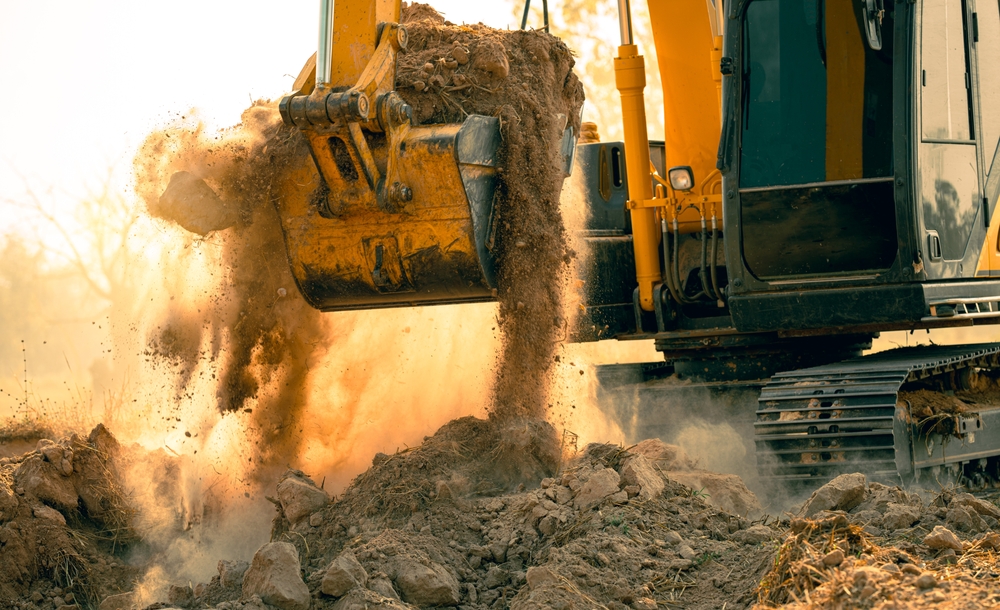
Preparing land for construction involves much more than moving dirt. In Dalton, GA, sloped properties, drainage concerns, existing vegetation, underground utilities, and access limitations can all affect how a site should be cleared, excavated, graded, and prepared before building begins.
A well-prepared site creates the foundation for everything that follows. Proper site work can help establish stable building areas, manage water runoff, create usable access, and prepare the property for utilities, foundations, paving, landscaping, and other improvements.
Quick answer: Site work and excavation typically include clearing, grading, earthmoving, trenching, drainage preparation, utility excavation, and final site shaping. For development projects in Dalton and throughout Whitfield County, the work should be planned around the property’s elevations, soil conditions, drainage patterns, intended use, and construction requirements.
What local property owners should know
-
Site preparation should begin with a clear understanding of where buildings, driveways, utilities, drainage features, and other improvements will be located.
-
Sloped properties around Dalton, Rocky Face, and Dug Gap may require more detailed grading and drainage planning than relatively level sites.
-
Heavy rain can expose drainage problems quickly when a disturbed site has not been properly shaped or stabilized.
-
Utility trenching and excavation should be coordinated with the overall grading plan rather than treated as separate, unrelated steps.
-
Access for construction equipment, delivery vehicles, and future property use should be considered before major excavation begins.
Why Does Site Preparation Matter in Dalton?
Site preparation matters in Dalton because the way a property is cleared, excavated, and graded affects drainage, accessibility, construction stability, and the performance of future improvements. Northwest Georgia’s rolling terrain means elevation changes and natural water flow often need to be addressed before foundations, utilities, driveways, or commercial improvements can move forward.
Properties across Whitfield County can vary considerably. A site near downtown may present limited equipment access or existing infrastructure, while acreage toward Rocky Face, Tunnel Hill, Cohutta, or Varnell may involve slopes, wooded areas, longer utility runs, and larger drainage areas.
Grade-1 Underground provides site work and excavation services for projects in the Dalton area. We focus on preparing the ground so subsequent phases of development can begin with the elevations, access, trenches, and site conditions the project requires.
What Does Comprehensive Site Work Include?
Comprehensive site work includes the coordinated excavation, grading, clearing, trenching, drainage preparation, and earthmoving needed to transform an undeveloped or unsuitable property into a workable construction site. Performing these tasks as parts of one site plan helps reduce conflicts between drainage, utilities, access routes, and finished elevations.
Depending on the property and project, site work may involve:
-
Clearing areas needed for construction
-
Removing or relocating soil
-
Cutting down high areas and filling low areas
-
Rough and final grading
-
Excavating for construction features
-
Preparing utility trenches
-
Establishing driveway or equipment access
-
Shaping drainage paths
-
Preparing areas for future paving or landscaping
The exact scope should reflect the plans and actual conditions of the property rather than a one-size-fits-all excavation approach.
Local Data and Field Considerations
Local site planning should account for Northwest Georgia’s significant rainfall, rolling terrain, and the stormwater requirements that can apply when land is disturbed. These conditions make drainage and erosion control important parts of excavation planning rather than details to address only after grading has been completed.
Nearby Chattanooga’s National Weather Service climate normals show that the broader region receives substantial rainfall throughout the year. On an active construction site, rain can reveal low areas, redirect runoff, soften exposed ground, and create erosion if drainage has not been considered.
Within Dalton, local development projects may also be subject to land-disturbance and stormwater requirements. Property owners and contractors should determine what permits, reviews, plans, or erosion-control measures apply before beginning regulated work.
How Does Excavation Affect a Development Project?
Excavation affects a development project by establishing the elevations, depths, slopes, trenches, and usable areas required for later construction. Mistakes during this early phase can create problems for drainage, utility placement, driveway grades, foundation preparation, and the transition between structures and surrounding land.
For property owners in Dalton, proper excavation is especially important where a building pad must be created on uneven ground.
Removing too little material can leave elevations too high. Removing too much can mean additional material, compaction, or corrective grading is needed. Careful site preparation aims to put the property in the correct condition for the work that follows.
What Are the Warning Signs of a Site That Needs Professional Preparation?
A property may need professional site preparation when slopes, standing water, unstable access, major elevation differences, dense vegetation, or planned underground improvements make basic clearing insufficient. These conditions often require excavation equipment and grading experience to create a practical construction area.
Watch for:
-
Water collecting where a building or driveway is planned
-
Steep elevation changes across the proposed construction area
-
Existing runoff crossing the site
-
Soft or visibly eroded areas
-
Limited access for construction equipment
-
Large amounts of soil that must be moved
-
Utilities that require long or deep trenches
-
A building area that does not match the required finished elevation
Recognizing these conditions before construction begins can help prevent later phases from being built around an avoidable site problem.
When Should You Call a Professional Excavation Contractor?
You should call a professional excavation contractor when preparing the property requires significant earthmoving, precise grading, utility trenching, drainage work, or heavy equipment. Small amounts of brush clearing may be manageable for some property owners, but changing site elevations or excavating around utilities requires substantially more planning.
Professional involvement is particularly useful before construction starts because several parts of the project are interconnected.
A driveway grade can affect runoff. Utility depth can affect trench excavation. Building elevation can determine how surrounding ground must be shaped. Addressing these conditions together is usually more effective than making separate corrections later.
What Common Site Conditions Affect Excavation Around Dalton?
The most common site conditions affecting excavation around Dalton include uneven terrain, stormwater movement, existing vegetation, access constraints, and the location of planned or existing utilities. Each can influence equipment selection, the sequence of work, and how much soil must be removed, redistributed, or brought onto the property.
1. Sloping terrain
Areas near Rocky Face Ridge, Dug Gap, and other parts of northwest Georgia can include substantial grade changes. Building on a slope may require cutting, filling, benching, or carefully shaping the finished ground.
2. Drainage patterns
Water naturally follows elevation. Changing those elevations can also change where runoff travels, making drainage an essential part of the grading process.
3. Existing vegetation
Trees, roots, brush, and organic surface material may interfere with areas planned for structures, roads, or other improvements.
4. Underground utilities
Water, sewer, electrical, communications, and other underground infrastructure can affect where and how excavation takes place.
5. Construction access
Sites near established streets, buildings, or developed properties may have less room for machinery and material movement than open acreage.
How Can Property Owners Prepare for Site Work?
Property owners can prepare for site work by defining the construction area, confirming project plans, identifying utility needs, reviewing drainage, and discussing equipment access before excavation starts. Better information at the beginning gives the excavation contractor a clearer picture of what the finished site needs to accomplish.
Before work begins:
-
Have current project plans available when applicable.
-
Know the intended location of structures and driveways.
-
Identify planned utility routes.
-
Discuss where excavated material will go.
-
Consider how rainwater currently moves across the property.
-
Determine whether permitting or land-disturbance requirements apply.
-
Keep unnecessary vehicles and materials away from equipment work areas.
DIY preparation should stop before digging where underground utilities may be present or where major elevation changes are required.
What Results Should You Expect From Professional Site Preparation?
Professional site preparation should leave the property appropriately shaped and excavated for the next planned construction phase, based on the project’s specifications and site conditions. The goal is not simply to make the ground look level, but to create usable elevations, drainage patterns, access, and excavation areas that support subsequent work.
Depending on the scope, the completed site may include a prepared building area, graded access, utility trenches, drainage features, redistributed soil, or areas ready for additional construction.
Final conditions depend on the plans, soil encountered, weather, project specifications, and the services included in the excavation scope.
What Site Preparation Mistakes Should Property Owners Avoid?
The biggest site preparation mistakes are beginning excavation without a complete plan, ignoring drainage, moving soil twice, and treating each construction phase as an unrelated project. On Dalton-area properties, these mistakes can become especially noticeable when slopes and rainfall expose grading problems.
Mistake: Grading before finalizing the site layout.
Consequence: Soil may have to be moved again when structure or driveway locations change.
Better approach: Establish the major project locations first.
Mistake: Making everything appear flat without considering runoff.
Consequence: Water may collect or flow toward areas that need to stay dry.
Better approach: Grade according to the project’s drainage needs.
Mistake: Waiting to consider utilities.
Consequence: Finished areas may need to be reopened for trenching.
Better approach: Coordinate underground work with the excavation sequence.
Mistake: Underestimating equipment access.
Consequence: Material movement and excavation can become more difficult.
Better approach: Plan construction access before the site becomes crowded with other work.
A Common Local Site Development Scenario
A common Dalton-area development scenario begins with an uneven or partially wooded property that needs to accommodate a structure, driveway, utilities, and reliable drainage. Before vertical construction begins, multiple site elements must be coordinated so one improvement does not interfere with another.
The process might start with clearing the necessary work area and establishing equipment access. Excavation can then create the required elevations, followed by utility trenching and drainage preparation.
Rough grading shapes the overall property during construction, while later grading may refine areas once major underground and structural work is complete.
This is a typical scenario, not a description of a specific Grade-1 Underground project.
Which Site Work Services Support New Development?
Site work services support new development by preparing the ground, creating access, managing elevations, and opening routes for underground infrastructure before other construction phases begin. Combining related excavation services can make it easier to coordinate the physical layout of the property.
Relevant solutions may include excavation, grading, land preparation, trenching, drainage-related earthwork, and underground utility preparation depending on the project.
For a property owner developing land in Dalton or elsewhere in Whitfield County, the appropriate combination of services should be based on the site’s actual conditions and construction plans.
Should You Choose DIY Site Work or Professional Excavation?
Professional excavation is generally the appropriate choice when a project requires heavy earthmoving, controlled elevations, deep trenching, drainage changes, or work around underground infrastructure, while DIY work is better limited to minor surface preparation. The distinction becomes increasingly important as the size and complexity of the site increase.
DIY clearing may make sense for small vegetation or debris removal where it can be completed safely.
Professional equipment and experience become more valuable when soil must be moved efficiently, grades must match construction requirements, or excavation influences future structures and utilities.
The cost of correcting an improperly prepared site can also extend beyond excavation if completed construction has to be disturbed.
What Areas Can Site Work Serve Around Dalton?
Site work in the Dalton area can support development throughout the surrounding communities where excavation and property preparation are needed. Projects may be located within the city, elsewhere in Whitfield County, or in nearby Northwest Georgia communities.
Depending on the contractor’s confirmed service territory, nearby areas may include Rocky Face, Tunnel Hill, Varnell, Cohutta, and surrounding communities. Property owners should confirm service availability for their specific location.
What Can Happen If Site Problems Are Ignored?
Ignoring site preparation problems can lead to poor drainage, difficult construction access, repeated excavation, utility conflicts, erosion, or additional grading after other improvements are already in place. Addressing the ground first can reduce the chance that later work has to compensate for an unresolved elevation or drainage issue.
A low area may become more troublesome after a structure is built nearby. An unsuitable driveway slope may become harder to change once paving or landscaping is complete. An overlooked utility route can require reopening finished ground.
Early site planning helps preserve options while the property is still accessible for heavy equipment.
Frequently Asked Questions About Site Work and Excavation in Dalton, GA
What excavation services are commonly needed for development in Dalton, GA?
Common excavation services include earthmoving, rough grading, trenching, drainage preparation, access preparation, and excavation needed to establish construction elevations. The exact work depends on the property’s terrain and development plans. Sloped or undeveloped sites around Dalton may require more extensive preparation than previously graded properties.
Do I need grading before building in Dalton?
Grading is commonly needed when existing ground elevations do not match the requirements of the planned development. In Dalton, grading may also help establish drainage and usable access on properties with rolling terrain. The required amount should be determined from the site conditions, project plans, and applicable construction requirements.
Why is drainage important during excavation in Whitfield County?
Drainage is important because changing ground elevations can change where stormwater flows and collects. Properties throughout Whitfield County receive substantial regional rainfall, so slopes and runoff paths should be considered during grading. Proper planning can help keep water from being unintentionally redirected toward structures, access areas, or neighboring portions of the site.
Can excavation prepare trenches for underground utilities?
Yes, excavation can prepare trenches for underground utility installation when the work is coordinated with the project’s plans and utility requirements. Routes, depths, existing infrastructure, and future grading all need to be considered. Coordinating trenching with overall site work can help avoid disturbing areas that have already been finished.
Are sloped properties around Rocky Face harder to prepare?
Sloped properties can require additional excavation and grading because elevation changes influence building areas, driveways, drainage, and equipment access. Sites around Rocky Face and other hilly parts of Northwest Georgia may require more soil movement than flat parcels. Actual requirements depend on the property and proposed development.
When should site work begin on a Dalton construction project?
Site work should generally begin after the project layout and major construction requirements are sufficiently defined to guide excavation accurately. Starting before locations and elevations are established can result in unnecessary soil movement. Utility routes, building areas, access, drainage, and any applicable approvals should be considered before substantial earthwork begins.
Do land-disturbance rules apply to excavation in Dalton, GA?
Land-disturbance, erosion-control, stormwater, or permitting requirements may apply depending on the type and scope of the project. Dalton property owners should confirm current local requirements before work begins rather than assuming excavation is exempt. Requirements can differ based on the size, location, and nature of the proposed disturbance.
Can site grading help prevent standing water?
Proper grading can help direct surface water toward appropriate drainage areas, but the correct solution depends on why water is collecting. Around Dalton, low spots, slopes, compacted ground, runoff from neighboring areas, and drainage infrastructure can all contribute. A site evaluation can help determine what earthwork or drainage preparation is appropriate.
Prepare Your Dalton Property for Successful Development
Good construction begins with ground that has been prepared for the project ahead. From grading and excavation to trenches, drainage preparation, and construction access, coordinated site work can help create the conditions needed for the next phase of development.
Start Your Site Work With a Solid Foundation
Prepare your Dalton-area property for construction with site work planned around the actual conditions of your land. We can help you explore excavation and site preparation options for your project.