
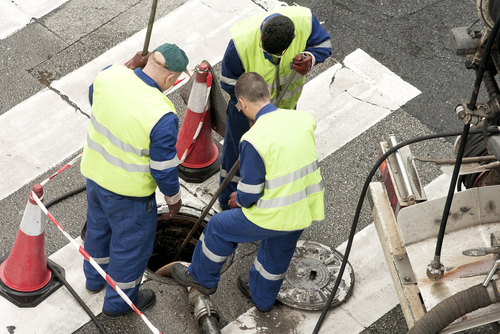
Underground utility work in Northwest Georgia can involve much more than digging a trench and installing pipe. Existing utility lines, active roads and businesses, stormwater infrastructure, site access, and changing ground conditions can all affect how a project should be planned and completed.
Choosing the right contractor means looking closely at experience, safety practices, project planning, equipment, communication, and familiarity with local requirements.
Quick answer: When hiring an underground utility contractor in Northwest Georgia, look for a contractor with relevant excavation experience, a clear process for locating existing utilities, appropriate equipment, strong safety procedures, and an understanding of local permitting and utility requirements. Property owners and project managers should also compare the scope of work carefully so they understand what excavation, installation, backfill, restoration, testing, and coordination are included.
What local property owners and project managers should know
-
Underground utility work should begin with careful site evaluation and identification of existing facilities rather than excavation based solely on assumptions or old plans.
-
Georgia 811 plays an important role in locating participating public underground facilities before excavation begins.
-
Projects in Dalton and Whitfield County may involve coordination with local agencies, utility providers, engineers, inspectors, or property owners depending on the scope.
-
Access, drainage, traffic, existing pavement, and nearby structures can affect the excavation method and project schedule.
-
A detailed proposal makes it easier to compare contractors based on actual scope instead of price alone.
Why Does Choosing the Right Underground Utility Contractor Matter in Northwest Georgia?
Choosing the right underground utility contractor matters because excavation can affect existing utilities, drainage, pavement, buildings, traffic, and the long-term performance of newly installed infrastructure. In Northwest Georgia, contractors may work on everything from developed commercial properties to industrial sites and expanding residential areas.
Dalton projects can also involve infrastructure overseen by multiple organizations. The City of Dalton Public Works Department is responsible for areas including streets, rights-of-way, and stormwater infrastructure, while Whitfield County handles stormwater and land-disturbance permitting for local development projects within Dalton city limits.
Grade-1 Underground serves the Dalton, GA area, and we understand that successful underground work starts well before equipment enters the excavation area. Planning, coordination, and attention to existing site conditions are essential parts of the job.
What Should You Look for in an Underground Utility Contractor?
A qualified underground utility contractor should demonstrate relevant project experience, careful planning, appropriate equipment, utility-location procedures, and the ability to coordinate the entire excavation and installation process. The contractor should also be able to explain how the work will progress from site preparation through final restoration.
Ask prospective contractors about experience with the specific work your project requires. Installing a water line, replacing sewer infrastructure, completing site utilities for new development, and working around active commercial facilities can present very different challenges.
A contractor should be willing to discuss access, excavation depth, existing utilities, spoil placement, backfill, compaction, restoration, and other site-specific concerns before work begins.
How Important Is Utility Location Before Excavation?
Utility location is a critical part of excavation because existing underground facilities must be identified before digging begins. Georgia 811 instructs excavators to submit a locate request at least three business days before digging and to confirm utility responses before excavation proceeds.
This is especially important around developed portions of Dalton where water, wastewater, electric, natural gas, communications, and other infrastructure may share a relatively confined area. Dalton Utilities provides electricity, natural gas, water, wastewater, internet, and other services within the community.
Georgia 811 also notes that its process covers public facilities belonging to participating members, while private facilities can remain the property owner’s responsibility. That distinction should be addressed during project planning rather than discovered after excavation starts.
What Local Conditions Should a Contractor Evaluate?
A contractor should evaluate existing utilities, drainage, access, surface conditions, nearby structures, traffic needs, and the planned route of the new utility before excavation begins. These factors can determine the equipment, excavation method, staging plan, and restoration requirements for a Northwest Georgia project.
Sites near Downtown Dalton may require different planning than open property outside the urban core. Work around commercial corridors can require maintaining access for customers, employees, deliveries, or neighboring properties.
Public construction documents from the City of Dalton reinforce the importance of verifying underground utility locations rather than assuming plans show every facility accurately. City project specifications have required contractors to investigate and verify existing underground utilities before site work begins.
What Warning Signs Suggest a Contractor May Not Be the Right Fit?
Warning signs include vague estimates, limited discussion of utility locating, unclear responsibility for restoration, poor communication, and an unwillingness to explain how unexpected underground conditions will be handled.
Watch for concerns such as:
-
The proposal does not clearly describe the excavation or installation scope.
-
Existing utility identification is treated as an afterthought.
-
Backfill, compaction, cleanup, or surface restoration responsibilities are unclear.
-
The contractor cannot explain what equipment is appropriate for the site.
-
There is no clear plan for maintaining access around an active property.
-
Questions about permits or inspections receive vague answers.
-
Schedule expectations are provided without considering site conditions or required coordination.
A low initial number can become less attractive when important portions of the work were never included.
When Should You Call an Underground Utility Professional?
You should involve an underground utility professional when a project requires excavation for utility installation, replacement, repair, rerouting, or site development beyond simple surface-level work. Professional involvement becomes particularly important around existing utility corridors, paved areas, commercial properties, roadways, or sites with complicated access.
Property owners can gather records, identify known private facilities, and clarify project goals before calling a contractor. Actual excavation around underground infrastructure should be approached with the appropriate locating, planning, equipment, and safety procedures.
What Common Factors Make Underground Utility Projects More Complex?
Existing infrastructure, restricted access, road crossings, drainage, utility conflicts, and restoration requirements are among the factors that commonly increase underground project complexity.
In Dalton, an excavation may need to account for existing water, wastewater, electric, or natural gas facilities. Projects affecting streets or rights-of-way can introduce additional coordination requirements. Whitfield County development projects may also involve building, stormwater, or land-disturbance requirements depending on the work being performed.
Older developed areas can present another challenge because actual underground conditions do not always match assumptions made before excavation.
How Can Property Owners Prepare for Underground Utility Work?
Property owners can prepare by defining the project scope, gathering available site information, identifying access limitations, and discussing existing private utilities and restoration expectations with the contractor.
Before requesting bids, determine what problem the project needs to solve and what finished condition you expect. For commercial and industrial sites around Dalton, discuss operating hours, delivery routes, employee access, customer traffic, and areas that cannot be blocked.
Also clarify who will coordinate locating, permits, inspections, testing, material requirements, and restoration. Resolving those questions before excavation can reduce misunderstandings later.
What Results Should You Expect From Professional Underground Utility Work?
Professional underground utility work should result in infrastructure installed according to the project’s specifications, followed by appropriate backfill, site restoration, and required testing or inspection for the particular project.
The exact process depends on the utility and site. Some projects involve new installations, while others require repair or replacement of existing infrastructure. Municipal or utility requirements can also influence materials, testing, connections, and restoration.
For example, Dalton project documents have required utility testing according to Dalton Utilities requirements on applicable development work.
What Are Common Mistakes When Hiring an Underground Contractor?
The most common hiring mistakes involve comparing price without comparing scope, overlooking existing utilities, and failing to establish responsibility for site restoration and coordination.
Mistake: Choosing solely by the lowest estimate.
Consequence: Important work may be excluded from the original scope.
Better approach: Compare excavation, materials, backfill, restoration, testing, and other responsibilities line by line.
Mistake: Assuming every underground line will appear on a locate or old drawing.
Consequence: Private or undocumented infrastructure may create unexpected conflicts.
Better approach: Discuss known private utilities and site history before excavation.
Mistake: Ignoring access requirements.
Consequence: A Dalton business or active jobsite may face avoidable disruption.
Better approach: Establish equipment routes, staging areas, and access needs before work starts.
What Does a Common Northwest Georgia Utility Project Look Like?
A common local scenario involves installing or replacing underground infrastructure on an active property where existing utilities, pavement, drainage, and daily access must all be considered.
For example, a commercial property in the Dalton area may need a new underground utility route while continuing normal operations. The contractor first evaluates the proposed route and site access, coordinates required utility locating, plans excavation and material staging, completes installation, and then restores disturbed areas according to the project scope.
This is a representative local scenario, not a Grade-1 Underground case study.
What Underground Utility Services Can Support a Project?
Underground utility services can support new construction, property improvements, infrastructure replacement, and projects where existing lines need repair or rerouting. The exact solution should be based on the utility involved, existing site conditions, required connections, and the long-term needs of the property.
We can evaluate the requested underground work and help property owners, contractors, and project managers understand the excavation and installation requirements before work begins.
How Should You Compare Underground Utility Contractors?
Compare underground utility contractors by scope, relevant experience, planning process, safety approach, equipment capabilities, communication, and understanding of local requirements rather than comparing price alone.
A detailed proposal should make it clear what is included. Ask each contractor the same questions so differences become easier to identify.
For projects around Dalton, also consider whether the contractor is prepared to coordinate around Georgia 811 procedures, local utility requirements, existing roads and drainage, and Whitfield County or City of Dalton requirements that may apply to the work.
Where Does Grade-1 Underground Provide Service?
Grade-1 Underground serves customers in Dalton and the surrounding Northwest Georgia area for underground utility needs. Projects throughout Whitfield County and nearby Northwest Georgia communities can present different site conditions, so the scope should always be evaluated for the specific property.
What Can Happen If Underground Utility Problems Are Ignored?
Delaying necessary underground utility work can allow an existing infrastructure problem to continue and may complicate future property improvements or construction schedules. The actual consequences depend on the affected utility, its condition, and where it is located.
For businesses and active properties around Dalton, delays can also make scheduling more difficult when excavation eventually becomes necessary. Early evaluation gives the project team more time to plan access, locating, materials, and coordination without creating unnecessary urgency.
FAQ
How do I choose an underground utility contractor in Dalton, GA?
Choose a contractor by comparing relevant experience, project scope, utility-location procedures, safety practices, equipment, communication, and restoration responsibilities. For Dalton projects, also ask how the contractor handles coordination with local utilities, Georgia 811, and applicable city or county requirements.
Is Georgia 811 required before underground excavation?
Georgia 811 should be contacted before excavation so participating underground facility owners can respond to the locate request. Georgia 811 instructs excavators to submit a ticket at least three business days before digging and confirm responses before beginning excavation.
Does Georgia 811 locate every underground line on a property?
No, a Georgia 811 request does not necessarily identify every underground facility on private property. Georgia 811 explains that member utilities locate their public facilities, while private underground facilities can remain the property owner’s responsibility. Known private utilities should therefore be discussed during project planning.
Who handles stormwater and land-disturbance permits for development in Dalton?
Whitfield County Engineering handles stormwater and land-disturbance permit review and issuance for local development projects within Dalton city limits, according to the City of Dalton Public Works Department. The exact permits required depend on the project’s location and scope.
Why does local experience matter for Northwest Georgia excavation?
Local experience helps because contractors must account for the actual infrastructure, access, drainage, development patterns, and regulatory requirements surrounding the project. A utility installation on an open site in Whitfield County can require a very different approach from excavation beside an active commercial property.
Should I choose the cheapest underground utility bid?
Price should be considered alongside scope rather than by itself. Compare whether proposals include the same excavation, installation, materials, backfill, restoration, testing, and coordination responsibilities. Asking contractors to clarify exclusions can reveal significant differences between estimates that initially appear similar.
What information should I provide before requesting an estimate?
Provide the property location, type of utility work, known site plans, desired route, access restrictions, known private facilities, and any available project specifications. Commercial property owners should also explain operating schedules or areas that need to remain accessible during excavation.
Can underground utility work affect an operating business?
Yes, excavation can affect parking, driveways, delivery areas, traffic routes, or other portions of an active property depending on where the utility is located. Planning access and staging before construction is particularly important for commercial and industrial properties around Dalton and Northwest Georgia.
Plan Your Northwest Georgia Underground Utility Project With Confidence
Underground utility work requires careful coordination above ground before work begins below it. For property owners and project teams in Dalton and surrounding Northwest Georgia communities, choosing a contractor with a clear process can help keep the project organized from initial site evaluation through restoration.
Get Your Underground Utility Project Moving
We can help you evaluate the site, understand the scope, and plan the underground work your property requires.