
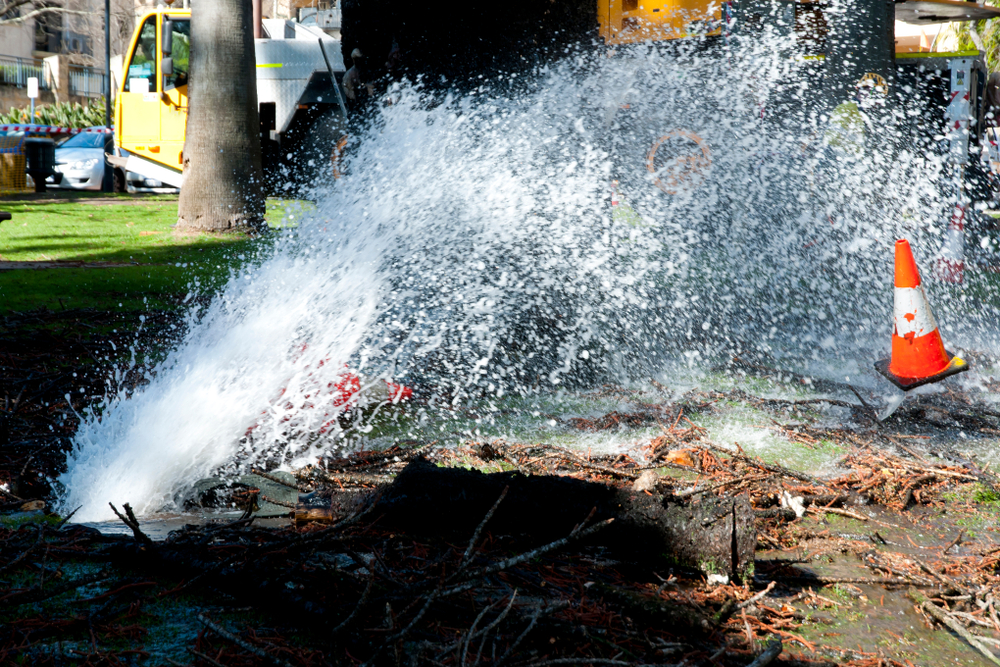
A broken underground water line or sewer backup can disrupt an entire commercial property with little warning. For property managers in Dalton, GA, a sudden utility failure can mean flooded parking lots, interrupted business operations, unhappy tenants, and unexpected repair expenses. Having an emergency response plan in place before trouble starts can make a significant difference.
Quick Answer: Commercial property managers can prepare for underground water and sewer line emergencies by documenting their utility systems, identifying shutoff locations, recognizing warning signs, and establishing relationships with qualified emergency repair contractors. Regular inspections, clear tenant communication procedures, and a written response plan help reduce downtime and limit property damage. Preparation is especially valuable for commercial buildings with extensive underground infrastructure, multiple tenants, or high daily water demands.
What Local Property Managers Should Know
-
Underground water and sewer line failures can affect multiple tenants, parking areas, loading docks, and building operations simultaneously.
-
Commercial properties throughout Whitfield County may face underground utility problems involving aging pipes, soil movement, and heavy vehicle traffic.
-
Dalton Utilities provides water and wastewater services locally, making utility coordination an important part of emergency planning.
-
Property managers should know which underground lines are privately maintained and which fall under utility-provider responsibility.
-
Establishing an emergency repair contact before an incident helps eliminate unnecessary delays when immediate assistance is needed.
Why Underground Utility Emergency Planning Matters Locally
Underground utility emergency planning matters in Dalton because commercial and industrial properties depend on reliable water and sewer systems to maintain daily operations. A damaged pipe beneath a busy parking lot, warehouse entrance, or commercial building can disrupt access, create safety hazards, and interfere with multiple businesses.
Northwest Georgia experiences periods of heavy rainfall that can saturate surrounding soil and complicate underground repairs. Commercial facilities near Walnut Avenue, downtown business districts, and industrial corridors may also have utility lines beneath pavement and heavily traveled areas.
Grade-1 Underground provides underground water line, sewer line, and emergency pipe repair services throughout the region. We understand that commercial property managers need practical solutions that address underground failures while limiting unnecessary disruption to tenants, employees, and customers.
Local Data and Field Observations
Local utility information highlights the importance of knowing who maintains each underground line before an emergency occurs. Dalton Utilities provides water and wastewater services in the city and portions of surrounding counties, while Georgia 811 helps excavators identify participating utility-owned underground facilities before digging.
However, Georgia 811 notes that privately owned underground lines are not necessarily marked through its standard notification process. Property managers may need a separate private utility locating service to identify lines running between buildings, across parking lots, or through landscaped areas.
This distinction is particularly important for shopping centers, industrial campuses, and multi-building commercial properties.
How Underground Utility Emergencies Affect Commercial Properties
Underground water and sewer line emergencies affect commercial properties by interrupting essential services, creating potential safety hazards, and increasing operating expenses. The consequences often extend beyond the damaged pipe itself, particularly when several tenants depend on shared infrastructure.
Potential disruptions include:
-
Temporary business closures or reduced operating hours.
-
Water damage to building interiors, equipment, or inventory.
-
Restricted access to parking areas and loading docks.
-
Unsanitary conditions caused by wastewater backups.
-
Tenant complaints and interrupted business activities.
-
Emergency excavation and pavement restoration expenses.
For warehouses and manufacturing facilities, a water service interruption can also affect equipment, cleaning operations, and production schedules.
Warning Signs of Underground Water and Sewer Line Problems
Warning signs of underground water and sewer line problems often appear before complete pipe failure. Recognizing these changes allows commercial property managers to arrange an inspection before an issue develops into a more disruptive emergency.
Watch for these seven indicators:
-
Unexplained increases in water bills: Higher consumption without changes in building activity may indicate a hidden leak.
-
Persistent wet areas: Standing water or unusually damp landscaping may suggest underground water loss.
-
Reduced water pressure: Sudden pressure changes across several fixtures can indicate a supply line problem.
-
Recurring sewer backups: Multiple slow drains or repeated backups may point to a larger underground sewer issue.
-
Unusual sewer odors: Persistent wastewater smells around buildings or outdoor drains deserve investigation.
-
Cracking or sinking pavement: Underground water movement can erode supporting soil and contribute to surface settlement.
-
Unexpectedly lush vegetation: Isolated areas of unusually rapid plant growth may indicate moisture escaping from underground piping.
Not every symptom confirms an underground utility failure, but recurring or worsening signs should never be ignored.
When Should Property Managers Call a Professional?
Property managers should call an underground utility professional when a suspected water or sewer line problem threatens property conditions, sanitation, access, or normal business operations. Active flooding, sewage backups, significant pressure loss, and visible ground movement require prompt attention rather than routine monitoring.
For commercial properties in Dalton, the safest immediate response is to restrict access to affected areas, document visible conditions, and contact the appropriate utility provider or qualified repair contractor.
If a known, accessible private water shutoff can be operated safely by authorized personnel, shutting it off may reduce additional damage. Avoid entering flooded electrical areas, touching sewage, operating unfamiliar utility valves, or attempting underground excavation.
Common Causes of Commercial Underground Utility Failures
Common causes of commercial underground utility failures include deteriorating pipes, shifting soil, root intrusion, and accidental excavation damage. Commercial properties in Whitfield County may experience more than one of these conditions, making accurate diagnosis essential before selecting a repair method.
Aging or deteriorating pipes
Older underground piping may develop corrosion, weakened joints, cracks, or material deterioration. The actual risk depends on the pipe’s material, age, installation, and operating conditions.
Soil movement and moisture changes
Heavy rainfall and changing soil moisture can affect pipe support and place stress on underground connections, particularly where drainage or backfill conditions are poor.
Heavy vehicle traffic
Loading areas, driveways, and commercial parking lots regularly experience traffic from delivery trucks and other large vehicles. Inadequate pipe bedding or cover can increase the potential for underground damage.
Root intrusion and excavation damage
Tree roots can enter vulnerable sewer joints, while unplanned digging for landscaping, signage, or property improvements can accidentally damage buried utilities.
Prevention and Maintenance: Building an Emergency Readiness Plan
Preventing underground utility emergencies starts with organized maintenance, accurate infrastructure records, and clear emergency responsibilities. Property managers should establish procedures that building staff can follow without needing to make complicated decisions during an active utility failure.
A practical commercial property readiness plan should include the following steps.
1. Map underground utilities. Maintain available site drawings showing water lines, sewer connections, meters, cleanouts, and shutoff locations. Verify uncertain information with qualified professionals.
2. Establish emergency contacts. Maintain current contact information for utility providers, qualified contractors, building maintenance personnel, and tenant representatives.
3. Identify shutoff procedures. Make sure designated employees know which valves they are authorized and trained to operate.
4. Schedule routine inspections. Review accessible utility areas, drainage conditions, pavement settlement, and unusual water consumption.
5. Prepare tenant notifications. Develop messages explaining service interruptions, access restrictions, sanitation concerns, and expected updates.
6. Review seasonal conditions. Inspect vulnerable areas before periods of heavy rainfall and address drainage issues that could complicate underground utility problems.
7. Practice the response plan. Review emergency responsibilities with maintenance teams and update the plan whenever tenants, contractors, or property systems change.
For planned excavation, Georgia 811 advises submitting a standard locate request at least three business days before digging and confirming utility responses before work begins. Emergency excavations follow separate notification and safety requirements.
What to Expect From Professional Underground Utility Services
Professional underground utility services typically begin with identifying the affected system, evaluating safety concerns, and determining an appropriate repair approach. The objective is to restore essential service while reducing unnecessary excavation and addressing the underlying cause of the failure.
Depending on the circumstances, repair work may involve utility locating, damaged pipe assessment, controlled excavation, pipe repair or replacement, and site restoration.
Commercial property managers should request clear communication regarding anticipated service interruptions, access requirements, repair scope, and any necessary utility coordination.
Actual repair timelines depend on accessibility, underground conditions, pipe damage, permitting, and the materials required.
Common Mistakes Commercial Property Managers Should Avoid
Common emergency preparation mistakes involve incomplete utility records, delayed responses, and unclear responsibilities. Avoiding these issues can help property managers make better decisions when underground lines fail.
Mistake: Waiting until an emergency to find a contractor.
Consequence: Valuable time is spent searching for qualified assistance while damage or disruption continues.
Better approach: Identify emergency underground utility contractors in advance.
Mistake: Assuming every buried line belongs to the public utility.
Consequence: Confusion over maintenance responsibility can delay repair authorization.
Better approach: Review utility records, property agreements, and service boundaries before an incident.
Mistake: Allowing unauthorized excavation.
Consequence: Unmarked underground facilities may be damaged, creating additional hazards and repair expenses.
Better approach: Follow applicable Georgia 811 procedures and arrange private utility locating where needed.
Mistake: Failing to communicate with tenants.
Consequence: Businesses may be unprepared for water interruptions, parking restrictions, or sanitation concerns.
Better approach: Establish a communication process with designated contacts and regular updates.
A Common Local Scenario: Water Line Failure at a Commercial Property
A common local scenario involves a commercial property in Dalton where staff notice water accumulating near a parking area despite several days without significant rainfall. The building also experiences declining water pressure, raising concerns about a leaking underground supply line.
With an emergency plan already established, the property manager can restrict access to the affected parking area, contact the appropriate utility and repair professionals, and notify tenants about potential interruptions.
The contractor can then assess the underground conditions and determine the necessary repairs.
This hypothetical example illustrates how preparation can reduce confusion and support a more organized response.
Related Service Solutions for Underground Water and Sewer Emergencies
Underground water and sewer emergencies may require several specialized services depending on the damaged infrastructure. The most appropriate solution depends on whether the problem involves a water supply line, sewer main, underground connection, or surrounding site conditions.
Our relevant services include:
-
Underground water line and water main repair.
-
Sewer line and sewer main repair.
-
Emergency underground pipe repair.
-
Underground utility installation and replacement.
-
Excavation and grading.
-
Storm drain repair and related site work.
We provide emergency pipe repair services 24 hours a day, helping property managers address urgent underground failures when they occur outside normal business hours.
Comparing Emergency Repair and Preventive Maintenance
Preventive maintenance and emergency repair serve different purposes, but commercial properties benefit from having plans for both. Preventive maintenance helps identify developing problems, while emergency repair addresses failures that already threaten safety, property conditions, or business operations.
| Approach | Best use | Main consideration |
|---|---|---|
| Routine monitoring | Tracking water use and visible property changes | Cannot diagnose every hidden problem |
| Preventive inspection | Evaluating suspected deterioration or recurring symptoms | May reveal work that requires scheduling |
| Targeted pipe repair | Addressing localized damage | Remaining pipe condition must be considered |
| Pipe replacement | Correcting widespread deterioration or repeated failures | Typically involves greater investment and site planning |
| Emergency repair | Responding to active leaks, backups, or service interruptions | Requires immediate safety and operational coordination |
An inspection can help determine whether a limited repair is appropriate or a more extensive replacement should be considered.
Service Areas
We support underground utility needs for commercial properties throughout Dalton, Whitfield County, Rocky Face, Tunnel Hill, Varnell, and nearby Northwest Georgia communities. Whether the property is a retail center, industrial facility, warehouse, or multi-tenant development, our focus is on practical underground infrastructure solutions.
The Cost of Ignoring Underground Utility Warning Signs
Ignoring underground utility warning signs can increase repair complexity, property damage, and business interruption costs. A small leak that continues beneath pavement may gradually undermine surrounding soil, while an unresolved sewer obstruction can eventually cause wastewater to back up into occupied spaces.
For commercial properties, additional expenses may include emergency cleanup, pavement replacement, temporary closures, equipment damage, and tenant disruption.
Early investigation does not eliminate every possible failure, but it allows property managers to make informed repair decisions before conditions become more severe.
Frequently Asked Questions About Commercial Water and Sewer Emergencies
How can commercial property managers in Dalton prepare for underground water line emergencies?
Commercial property managers should document underground water lines, identify authorized shutoff points, monitor water consumption, and maintain emergency contractor contacts. A written response plan should also identify who communicates with tenants and utility providers. Reviewing these procedures regularly helps building personnel respond more efficiently when an unexpected failure occurs.
Who is responsible for underground water and sewer lines on commercial property?
Responsibility depends on utility ownership, service boundaries, easements, and applicable agreements. Dalton Utilities provides public water and wastewater services, but commercial property owners may be responsible for privately maintained lines and connections. Property managers should confirm ownership boundaries before an emergency rather than assuming all underground pipes belong to the utility.
How often should commercial underground utility systems be inspected in Whitfield County?
Inspection frequency should reflect the property’s pipe age, material, service history, and operating demands. Commercial managers should regularly review water consumption and visible warning signs, with additional professional evaluation when recurring problems appear. Properties with older infrastructure or previous underground failures may benefit from a more detailed maintenance schedule.
What should a property manager do first when a sewer line backs up?
The first priority is protecting people from wastewater exposure and preventing further use of affected plumbing fixtures. Restrict access to contaminated areas, notify affected tenants, and contact qualified professionals. If the backup threatens occupied commercial spaces, treat it as an urgent sanitation concern rather than attempting temporary drainage fixes.
Does Georgia 811 locate every underground utility on a commercial property?
No. Georgia 811 coordinates locating services for participating utility-owned facilities, but private underground lines may require separate locating arrangements. Commercial property managers should identify private water, sewer, electrical, and other buried systems before excavation. Standard locate requests should be submitted within the applicable notice period, while qualifying emergencies have different procedures.
Can heavy rainfall contribute to underground sewer problems in Northwest Georgia?
Yes. Heavy rainfall can saturate soil, increase surface runoff, and expose weaknesses in damaged underground infrastructure. Where sewer pipes have cracks or failing joints, groundwater infiltration can also contribute to increased flow within the system. Persistent sewer backups or unusually wet ground after storms warrant professional investigation.
Should commercial property managers arrange emergency repair services before a problem happens?
Yes. Establishing a contractor relationship before an emergency helps property managers understand available services, contact procedures, and necessary property information. For commercial facilities in Tunnel Hill, Rocky Face, and surrounding communities, having accessible utility drawings and designated decision-makers can support a faster, better-coordinated response when critical lines fail.
Can commercial underground pipe emergencies require excavation?
Yes. Underground water and sewer line emergencies may require excavation to expose damaged piping and complete repairs. The amount of excavation depends on pipe depth, location, material, surrounding utilities, and the extent of damage. Qualified professionals should evaluate the site and follow applicable utility locating and safety requirements before excavation begins.
Protect Your Commercial Property With Better Emergency Preparation
Underground water and sewer line failures cannot always be predicted, but commercial property managers can take meaningful steps to reduce their impact. Keeping accurate utility records, recognizing developing problems, and working with qualified underground utility professionals can help protect properties, tenants, and daily business operations.
Keep Your Commercial Property Ready for Underground Utility Emergencies
Unexpected water and sewer problems should not leave your property without a clear response plan. We help commercial property managers throughout Dalton and surrounding communities address underground utility emergencies with professional water line, sewer line, and excavation services.
Whether you need help with an active underground pipe failure or want to discuss your property’s utility infrastructure, our team is ready to assist.