
Commercial development projects across North Georgia and the Chattanooga region depend on one critical factor long before a building rises from the ground: precision excavation. Whether a project involves a new industrial facility, retail center, distribution hub, or mixed-use development, the quality of the site work and underground utility installation directly impacts the performance, safety, and longevity of the entire property.
Precision matters because mistakes below the surface often become costly problems above it. Improper grading, inaccurate trenching, or poorly installed utility systems can lead to drainage failures, settlement issues, utility conflicts, and expensive project delays.
Commercial site work and wet utility installation require precise excavation because underground infrastructure, drainage systems, grading, and building foundations all depend on accurate site preparation. In North Georgia and the Chattanooga area, changing terrain, variable soil conditions, and strict code requirements make precision excavation essential for long-term project performance.
What Developers and Contractors Should Know
- Precision excavation helps prevent costly utility conflicts, drainage failures, and grading issues during commercial development projects.
- Wet utility installation requires accurate trenching, proper pipe placement, and code-compliant construction to ensure long-term system reliability.
- Commercial site work in Dalton, Chattanooga, and surrounding areas often involves challenging terrain that demands experienced excavation and grading contractors.
- Retention ponds, storm drainage systems, and underground utilities must work together as an integrated infrastructure network.
- Early investment in quality site preparation helps reduce change orders, delays, and long-term maintenance expenses.
Why Precision Excavation Matters in North Georgia Development
Precision excavation matters because the underground infrastructure installed today must support decades of commercial operation. Across Dalton, Ringgold, Chatsworth, Calhoun, and the greater Chattanooga region, commercial development often occurs on sites with varying elevations, mixed soil conditions, and complex drainage requirements.
Whitfield County, Catoosa County, Murray County, and nearby Tennessee markets continue to experience industrial and commercial growth. Many projects require extensive earthmoving, grading, utility installation, and stormwater management before vertical construction can begin.
Local municipalities and regulatory agencies also maintain specific requirements for grading, drainage, erosion control, and utility construction. Meeting these standards requires experienced planning and execution from the start.
Grade-1 Underground specializes in both underground utility installation and comprehensive site preparation, allowing projects to move seamlessly from land clearing through final infrastructure installation. This integrated approach helps eliminate coordination challenges that often arise when multiple contractors manage different phases of site development.
Commercial projects are rarely simple. A successful development requires excavation, grading, drainage planning, utility installation, concrete preparation, and stormwater management to work together as one coordinated system.
Commercial site work and wet utility installation form the foundation of every successful development project. Proper grading supports drainage, wet utilities support operations, and excavation creates the conditions necessary for long-term structural stability.
Area developers and project managers often focus on the finished structure, but the quality of the infrastructure beneath the property frequently determines how well the site performs years later.
Commercial developments in North Georgia rely on properly graded sites, code-compliant utility systems, effective stormwater management, and coordinated construction planning. Local terrain and drainage patterns make these factors especially important for long-term property performance.
Site Development Realities Across the Region
- Many commercial sites require significant grading to accommodate changing elevations.
- Stormwater management regulations often require engineered drainage systems and retention ponds.
- Wet utilities typically include water, sewer, and storm drainage infrastructure.
- Utility conflicts can create significant project delays if excavation lacks precision.
- Heavy rainfall events in the region increase the importance of proper drainage design.
- Industrial developments often require extensive underground infrastructure before construction begins.
- Municipal inspections focus heavily on utility installation accuracy and code compliance.
For developers, general contractors, and civil engineers evaluating a new project, understanding site conditions early can prevent costly surprises later. We work with development teams throughout Dalton and surrounding communities to help establish a solid foundation before vertical construction begins.
Local Data and Infrastructure Requirements
Commercial site work in this region is heavily influenced by local permitting, stormwater regulations, and infrastructure standards. According to municipal and county development requirements throughout North Georgia and Southeast Tennessee, projects commonly require erosion control measures, stormwater management systems, and inspected utility installations before occupancy approval can be granted.
In our field experience, projects that prioritize detailed excavation planning and utility coordination typically experience fewer construction delays and fewer infrastructure corrections during inspections.
How Precision Excavation Impacts Commercial Projects
Precision excavation impacts commercial projects by improving infrastructure reliability, reducing construction risks, and supporting long-term site performance. Even small grading or utility placement errors can create significant operational issues after project completion.
Potential consequences include:
- Drainage problems around structures
- Utility service interruptions
- Pavement settlement
- Retention pond performance issues
- Failed inspections
- Construction delays
- Increased maintenance costs
For industrial facilities, distribution centers, and commercial developments throughout the region, these issues can affect operations long after construction crews leave the site.
Professional Perspective from the Field
Precision excavation is not simply about moving dirt. It involves understanding elevations, drainage patterns, utility alignments, engineering plans, and long-term site performance requirements.
We frequently see projects where proper planning during excavation prevents problems that would otherwise be difficult and expensive to correct later. Accurate grading, trenching, and utility placement create the foundation for successful construction phases that follow.
One of the biggest misconceptions in commercial development is that excavation is only an early-stage activity. In reality, excavation decisions affect nearly every aspect of project performance for the life of the property.
Warning Signs of Poor Site Preparation
Poor site preparation often reveals itself through drainage issues, settlement concerns, inspection failures, or utility performance problems. Identifying these warning signs early can help prevent larger infrastructure challenges.
Common warning signs include:
- Standing water after rainfall
- Uneven site grades
- Excessive erosion
- Utility trenches showing settlement
- Repeated drainage complaints
- Delayed inspections
- Utility conflicts during construction
- Ponding around structures or pavement
Waiting too long to address these issues can increase repair costs and disrupt project schedules.
When to Bring in an Experienced Site Work Contractor
A professional site work contractor should be involved whenever grading, excavation, utility installation, drainage construction, or stormwater management affects project success. Commercial developments involve infrastructure systems that must meet engineering specifications and local code requirements.
Property owners and developers can review visible site conditions, but excavation layouts, utility installations, and grading verification typically require experienced contractors with appropriate equipment and expertise.
Because local terrain and regulatory requirements can vary significantly across North Georgia and Southeast Tennessee, professional oversight becomes especially important.
Common Causes of Excavation and Utility Problems
Excavation and utility problems most commonly result from inaccurate grading, poor planning, inadequate drainage design, or improper installation techniques. Several local conditions contribute to these challenges.
The most common causes include:
- Inadequate site investigation
- Poor grading control
- Utility coordination conflicts
- Improper trench compaction
- Stormwater management deficiencies
- Erosion-related site damage
- Changing subsurface conditions
Projects that address these factors early are generally better positioned for long-term success.
Preventing Infrastructure Problems Before Construction
Preventing infrastructure problems begins with accurate planning, quality excavation practices, and thorough utility coordination. Early investment in proper site preparation often produces significant benefits throughout construction.
Recommended strategies include:
- Detailed site evaluations
- Accurate grading verification
- Utility conflict identification
- Proper compaction procedures
- Stormwater planning
- Retention pond construction designed for site-specific conditions
- Ongoing quality control inspections
These measures help support long-term property performance and regulatory compliance.
What Property Owners Can Expect from Quality Site Work
Quality site work produces reliable drainage, stable infrastructure, improved constructability, and fewer long-term maintenance concerns. Well-executed excavation and utility installation create a stronger foundation for future operations.
Benefits may include:
- Improved drainage performance
- Reduced settlement risk
- Reliable utility service
- Smoother inspections
- Better stormwater management
- Enhanced property longevity
While every project differs, precision installation generally contributes to lower lifecycle infrastructure concerns.
Field Insight
In our experience, commercial developments perform best when excavation, grading, wet utility installation, storm drainage systems, and concrete preparation are treated as interconnected components rather than separate construction activities. Coordinated execution typically leads to more efficient project delivery and stronger long-term performance.
Common Mistakes During Commercial Site Development
One common mistake is treating excavation as a commodity service rather than a critical infrastructure phase. This often leads to decisions based solely on upfront cost instead of long-term value.
Other frequent mistakes include:
- Delaying utility coordination
- Underestimating drainage requirements
- Ignoring future site expansion needs
- Overlooking compaction standards
- Separating grading and utility planning
A better approach involves integrated planning from the beginning of the project.
A Common Local Development Scenario
A common local scenario involves a commercial property requiring land clearing, grading, underground utility installation, storm drainage infrastructure, and concrete preparation before construction begins.
Without coordinated site work, multiple contractors may encounter scheduling conflicts, utility clashes, or grading discrepancies. When a contractor can manage excavation, grading, utility installation, and supporting infrastructure under a unified approach, project coordination often becomes more efficient and predictable.
Related Site Development Services
Commercial site work solutions include excavation, grading, land clearing, wet utility installation, storm drainage infrastructure, retention pond construction, and concrete preparation. These services work together to create a complete development-ready site.
Our team supports projects as either a primary site work contractor or a collaborative subcontractor working alongside larger development teams. This flexibility allows us to adapt to the needs of developers, general contractors, and civil engineering firms throughout the region.
Services commonly include:
- Commercial site work in Dalton, GA
- Wet utility installation in the Chattanooga area
- Excavation and grading services
- Storm drain repair and installation
- Retention pond construction in North Georgia
- Land clearing
- Concrete preparation and placement support
Comparing Your Project Delivery Options
Professional site work generally offers greater accuracy, equipment capacity, and code compliance than attempting to coordinate multiple disconnected contractors. While project structures vary, integrated site development services often improve efficiency and communication.
Developers should evaluate:
- Contractor capabilities
- Equipment resources
- Utility installation experience
- Grading expertise
- Regulatory knowledge
- Ability to function as either lead contractor or subcontractor
These factors frequently have a greater impact on project outcomes than initial bid pricing alone.
Areas We Serve
We support commercial development projects throughout Dalton, Ringgold, Chatsworth, Calhoun, Tunnel Hill, Rocky Face, Fort Oglethorpe, Chattanooga, and surrounding communities across North Georgia and Southeast Tennessee.
Our familiarity with local permitting processes, site conditions, and infrastructure requirements helps development teams navigate projects more efficiently throughout the region.
The Cost of Delaying Proper Site Preparation
Delaying proper site preparation can increase project costs through schedule disruptions, failed inspections, utility corrections, drainage repairs, and future maintenance requirements. Infrastructure problems often become more expensive to address after vertical construction has begun.
For commercial developments, early investment in quality excavation and utility installation is typically far less costly than correcting infrastructure deficiencies later.
FAQ
Why is commercial site work important before construction begins?
Commercial site work is important because it prepares the property for safe and stable development. Proper excavation, grading, drainage planning, and utility installation create the infrastructure necessary to support the entire project lifecycle.
What is included in wet utility installation?
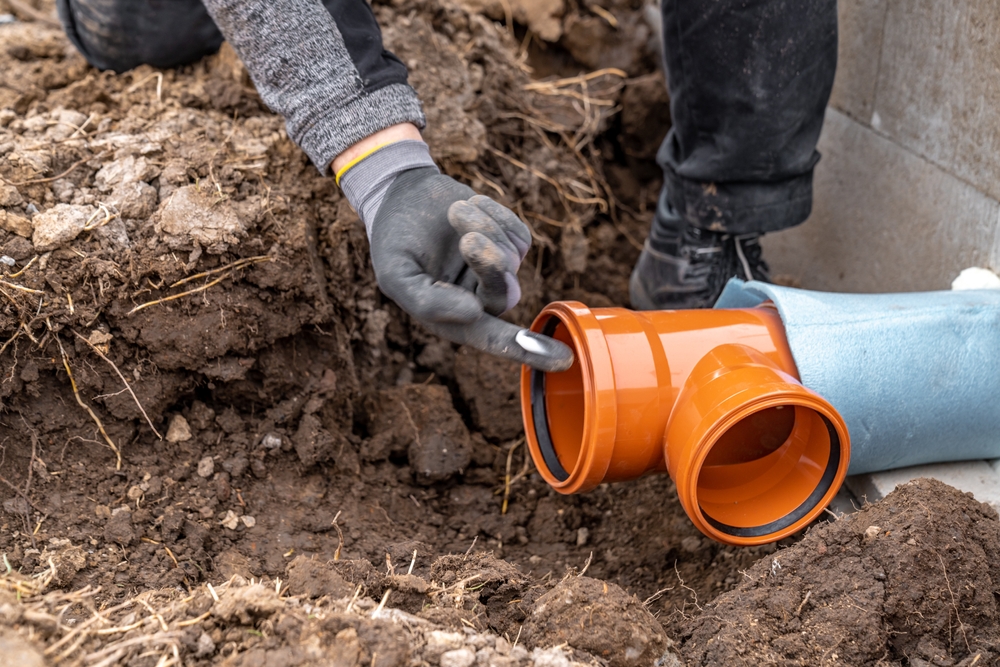
Wet utility installation typically includes water systems, sanitary sewer infrastructure, storm drainage systems, and related underground utility components. Installation requirements vary depending on project scope and local regulations.
Why is commercial site work in Dalton, GA different from other areas?
Commercial site work in Dalton, GA often involves varying terrain, drainage considerations, and local permitting requirements. Industrial and commercial growth throughout the area also creates demand for coordinated infrastructure development.
What does an excavation and grading contractor do?
An excavation and grading contractor prepares the site by moving earth, establishing elevations, managing drainage, and creating conditions necessary for utility installation and construction activities.
When is storm drain repair and installation necessary?
Storm drain repair and installation becomes necessary when drainage systems are damaged, undersized, improperly functioning, or required as part of a new commercial development project.
Why are retention ponds important in North Georgia?
Retention pond construction in North Georgia helps manage stormwater runoff, reduce erosion, and support regulatory compliance. Proper design and construction are important for long-term drainage performance.
Should developers hire separate utility and grading contractors?
Some projects use separate contractors, but integrated site work services can improve coordination and communication. Project requirements and development strategies typically determine the best approach.
How does precision excavation reduce project risk?
Precision excavation reduces project risk by improving grading accuracy, supporting utility installation quality, minimizing drainage problems, and helping projects meet engineering and regulatory requirements.
Grade-1 Underground understands that successful commercial development starts below the surface. From excavation and grading to wet utility installation and stormwater infrastructure, careful planning and precise execution help create properties designed to perform reliably for decades.
Build a Stronger Foundation for Your Next Development Project
Whether you need commercial site work in Dalton, GA, wet utility installation near Chattanooga, storm drain infrastructure, or retention pond construction in North Georgia, our team is ready to help you evaluate your options and move forward with confidence.
Reliable infrastructure starts with experienced site preparation, code-compliant installation, and a contractor committed to long-term performance.